Summer brings a lot of challenges for trucks, trailers, and ATVs. You’ve got higher temperatures putting additional stress on engines plus all the wear and tear that comes with using them more often. Every road trip or towing session risks damage to engines, transmissions, and more if you’re not prepared.
This guide is to help you do just that. We’ll walk you through a full maintenance checklist to help ensure your vehicles perform at their best all summer long.
Preparing Your Truck for Towing
Most of us do both a lot more towing and tow heavier loads during the warmer months. Whether that’s a boat, camper, or just some bikes or ATVs, the last thing you want is an issue that could turn dangerous. That’s why it’s so important to check the following areas at the start of the season.
Tires and Brakes
Towing heavy loads can put a lot of additional stress on your brakes and tires alike. Brake failure or a blown tire can both be extremely dangerous, especially when towing. So check your brake pads and fluid, ensure your tire pressure is within range, visually inspect your tire treads and sidewalls, and rotate your tires if needed.
Cooling System
Extreme heat can create a whole host of problems for engines during the summer, so you need to make sure your cooling systems are operating properly. You’ll want to inspect the level and condition of your coolant, see if your radiator hoses have any cracks, and clean debris from the radiator and grille. If you’ve had overheating issues in the past, it’s also good to test your thermostat and radiator cap.
Battery Health
Alongside all the other ways it can hurt your vehicle, high summer temperatures can damage its battery. In fact, heat is even more damaging than cold weather. To get ahead of any potential issues, always clean corrosion from your battery’s terminals, test its voltage, and ensure all cables are tight.
Belts, Filters, and Fluids
Besides your battery and cooling system, there are a few other internal components you’ll need to inspect before summer. That includes checking engine oil, windshield washer fluid, and transmission fluid. You should also replace any dirty air filters and inspect your engine’s fan belt. Hot weather and towing can put a lot of wear and tear on your engine and these components, so ensuring everything is topped off makes a big difference.
Hitch and Towing Components
No surprise here but if you’re going to be towing over the summer you need to inspect elements of your towing components and hitch beforehand. Winter storage can cause a lot of issues, so it’s important to be thorough. Check your lights and wiring, as well as the hitch. Look for corrosion and don’t forget to tighten the lug nuts.
Truck Towing Summer Prep Checklist
Clearly there’s a lot to remember here. To make things a bit easier, we’ve put together a simple checklist you can use as a quick reference when preparing your truck for the summer.
- Inspect tires for wear, pressure, and sidewall condition
- Check brake pad condition and brake fluid level
- Inspect radiator, intercooler, and condenser fins for debris buildup
- Check upper and lower radiator hoses for softness or cracking
- Verify coolant condition and service date
- Test battery charge and inspect terminals for corrosion
- Check battery build date and replace if approaching end of service life
- Inspect drive belt for cracking, glazing, or frayed edges
- Replace cabin and engine air filters if overdue
- Verify engine oil and transmission fluid levels
- Inspect hitch ball for wear and verify torque
- Check receiver pin and lock for security
- Verify hitch weight rating against loaded trailer weight
- Test brake controller function and trailer brake response
Preparing Your Trailer
Even if your truck has passed every item on our checklist and is in perfect shape, that doesn’t protect you from trailer issues. Your trailer also needs its own thorough inspection. Below, we’ve broken down everything you’ll need to check so you can ensure your trailer is ready for anything.
Tires
It’s easy to forget that your trailer’s tires can suffer a lot after being stored away for months. First, ensure your tires aren’t outside their intended lifespan. Then, check their pressure and visually inspect them to spot any dry rot or cracking. Lastly, make sure your spare tire is also in good condition and ready for action in case you need it.
Wheel Bearings and Brakes
Trailer bearings and breaks are some of the most important parts to check because any failure can be quite dangerous on the road. For the bearings, you need to check the seals and grease or repack the bearings themselves. The brakes should have the pads and fluid levels checked just like with your truck itself.
Lights, Wiring, and Hitch Connections
Another set of trailer components that often degrade over the winter are the lights, wiring, and hitch connections. Test the trailer’s brake lights, turn signals, and running lights before visually inspecting the wires for any corrosion or abrasion damage. Then give the hitch coupler a good look over, paying attention to safety chains and the breakaway cable before tightening any loose lug nuts.
Trailer Summer Prep Checklist
Taking all our advice together, we’ve compiled a full trailer summer prep checklist to make everything easy and convenient for you. Use it as a quick reference to help ensure you don’t miss any key safety checks.
- Inspect trailer tires for dry rot, cracking, or uneven wear
- Check tire pressure on all tires including the spare
- Repack wheel bearings or verify last service date
- Test electric brakes for responsiveness
- Check all brake lights, turn signals, and running lights
- Inspect trailer plug and wiring harness connection
- Check coupler latch mechanism and hitch ball condition
- Verify safety chains are properly crossed and connected
- Inspect all tie-down anchors and ramp hardware
Preparing Your ATVs
If you have an ATV or two, you’ll also want to perform a full check before taking it out for a ride. When that’s done, you’ll be ready to ride off as soon as the trailer is unloaded so it pays to handle this before taking that first trip of the season.
Preseason Inspection
A thorough pre-season inspection for an ATV or similar off-road vehicle doesn’t take long but is something you won’t want to skip. It should include things like cleaning and replacing air filters, lubricating the chain and ensuring it has proper tension, checking tire pressure, inspecting shocks and bushings, draining old fuel, adding fresh fuel and stabilizer, and checking all your safety gear like helmets, tow straps, and first-aid kits. That should cover all the basic safety issues so your ATV is ready to get out on the trails.
Loading and Securing Your ATV
It’s easy to focus on safely riding your ATV and neglect everything required to safely load and unload it. Start by ensuring your trailer is parked on level ground, connected properly to the tow vehicle, and using wheel chocks or the parking brake. Check that your trailer and load ramps can handle your ATV’s weight and fit its tires.
When loading, wear a helmet, go slowly, and use a steady throttle on a low gear with the help of a spotter. Once the ATV is positioned properly on the trailer, use four heavy-duty ratchet straps to tie it down to rated anchor points before doing a final safety check to make sure everything is tight and secure.
ATV Summer Prep Checklist
Like with your truck and trailer, there’s a lot to remember to keep your ATV in good working order. Here’s a simple checklist of all the things you’ll want to do before using your ATV this summer to make things easy.
- Check engine oil, coolant, and brake fluid levels
- Inspect tires for pressure, wear, and sidewall condition
- Charge or test battery and inspect terminals
- Check air filter and replace if dirty
- Test brakes front and rear
- Inspect throttle, steering, and suspension for proper function
- Load ATV facing forward with weight centered over the axles
- Secure with ratchet straps anchored to the frame at four points
Truck, Trailer, and ATV Summer Prep FAQs
How often should trailer wheel bearings be inspected or repacked?
Generally, you should inspect your trailer wheel bearings once a year, ideally when summer starts. Repacking wheel bearings is generally necessary once a year or every 12,00 miles.
What are the most common trailer tire failures in summer?
The most common cause of tire failure in summer is improper inflation, which can damage the tire’s structural integrity. Undetected dry rot or tread separation can also cause blowouts and should be checked before each summer season.
How do I know if my truck’s cooling system is ready for summer towing?
Checking your truck’s cooling system before summer boils down to a few things. First, verifying your coolant is fresh and properly mixed. Then, checking for leaks in belts, hoses, and the radiator. At that point, just monitor your temperature gauge carefully and you should be good to go.
How do I know what my truck’s towing capacity is?
Your truck’s towing capacity is listed in your owner’s manual. You can also check the VIN sticker on the driver’s side door jamb. As a last resort, you can also check it online, but be sure to look at your precise make, model, and year because capacity can change between them.
How long can an ATV sit in storage before it needs a full inspection?
In general, after an ATV has sat for more than a few months you should do a full pre-ride inspection before riding it. Fuel stabilizers are important as well, because without them your fuel will only last for 1-3 months before you’ll need to drain and replace it.
What type of trailer is best for hauling ATVs and other off-road vehicles?
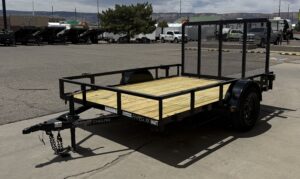
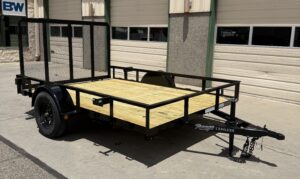
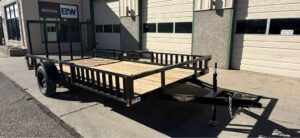
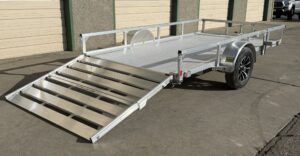
Open utility trailers, including flatbed and tilt trailers, are ideal for hauling off-road vehicles like ATVs. This is because they are more affordable, lightweight, and versatile. Enclosed trailers provide their own benefits like greater security and protection but they come with added weight and cost.
How often should I service my trailer between summer trips?
A quick safety check is worth doing between every trip you take with your trailer. A more comprehensive service check is generally needed every 6 months or 6,000 miles, whichever comes first. So if that comes between trips, get that service check done.
The perfect partner for your perfect summer rides
With so many parts and fluids to check at the start of the summer, it helps to have real experts with access to a huge variety of parts, trailers, and services on your side. Whether you need something specific like a truck upfitting or just need some help diagnosing an issue, we’re here to help. Our service department is packed with friendly experts ready to share their knowledge to ensure you never have to miss a summer adventure.
Contact us anytime and see how we can help you get the most out of your truck, trailer, or ATVs this summer.